A good corporate retreat is designed backwards from the outcome you want. More laughter? Better cross-team trust? A clear strategy conversation? The setting helps, but the structure does the work.
1. Name the outcome
Write one sentence: “By the end of the day, the team should be able to…” Everything else — games, seating, lunch, timings — should serve that sentence.
2. Choose the right length
A half-day suits a focused reset. A full day gives space for competition, reflection and a proper meal together. The Ultimate Corporate Retreat adds facilitation, Sip & Paint and a closing ceremony for groups that want the full arc.
3. Mix energy and reflection
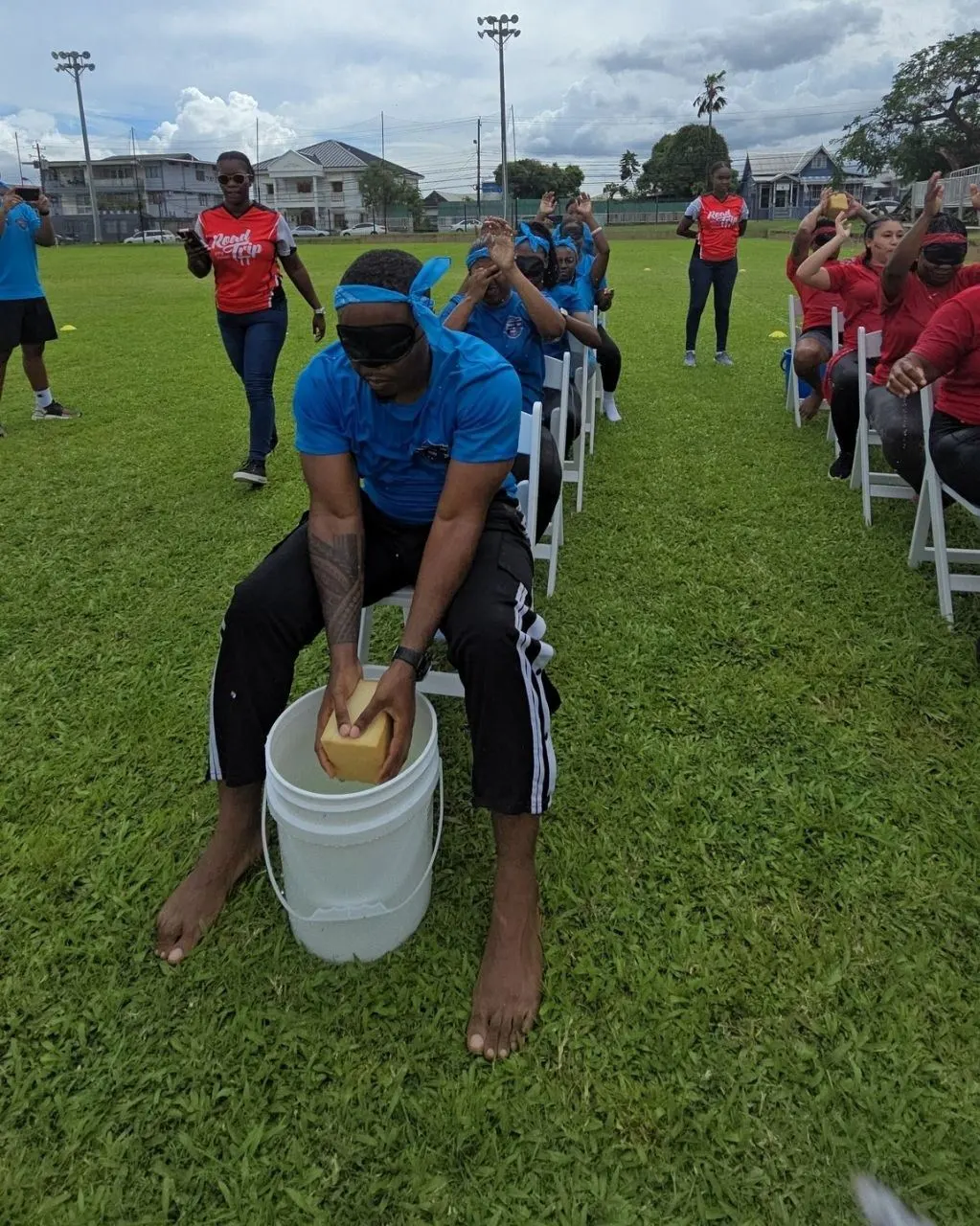
Outdoor games raise the energy; facilitated conversation gives it meaning. Alternate between the two rather than stacking all the physical activity at the start.
4. Think about teams, not individuals
Mixed groups work better than department silos. Deliberately split familiar clusters so people meet colleagues they usually only see on video calls.
5. Plan the food properly
Lunch is not a break from the programme; it is part of it. A generous buffet, dietary options and a proper sit-down period change the tone of the afternoon.
6. Build in a closing moment
Awards, certificates and a short closing ceremony give the day a shape. Without one, retreats tend to end in a loose drift towards the car park.
7. Capture it
Group photography and short content reels extend the value of the day internally. Brief the photographer on the moments that matter.
8. Decide what happens next
Send a short follow-up within 48 hours: the photos, the commitments made, and the date of the next check-in. The retreat should leave a trace.